

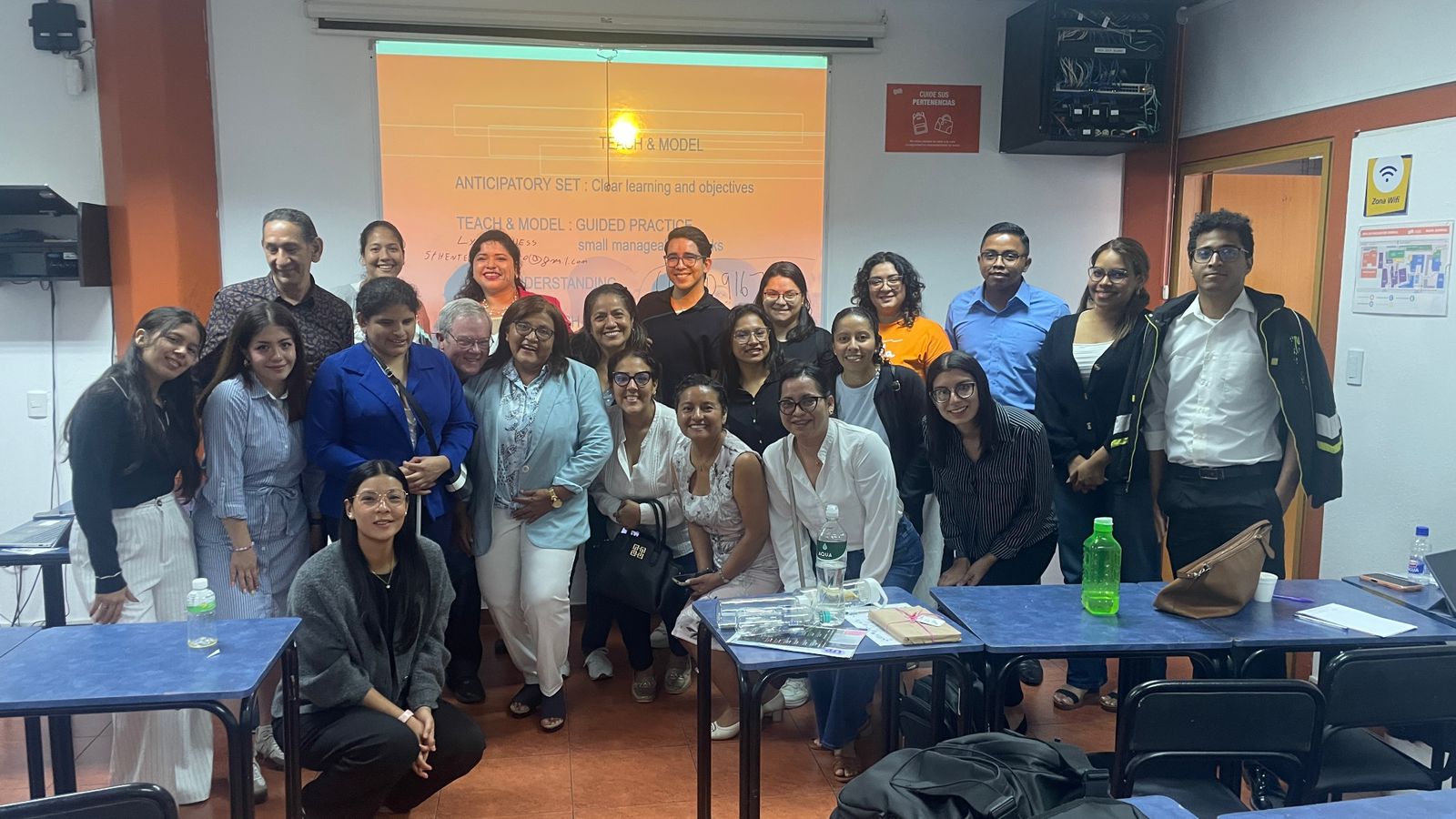
Connecting Theory to Practice
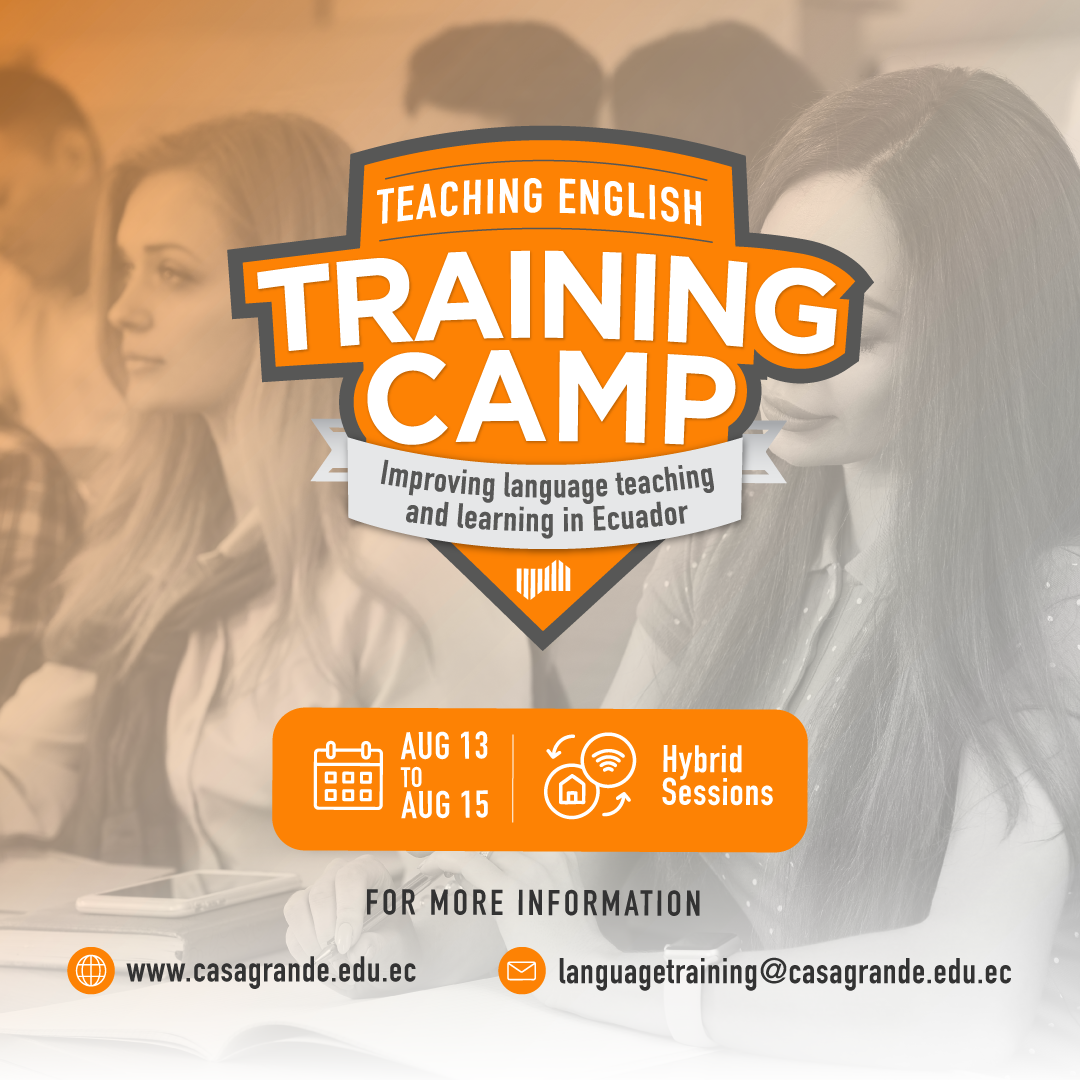
UCG Teaching English Training Camp 2026
August 13–15, 2026Universidad Casa Grande · Guayaquil, Ecuador
An international professional development event for English language educators, researchers, academic leaders, publishers, and educational innovators committed to strengthening English language teaching in Ecuador and beyond.
Welcome
A message from the organizers
Dear Colleagues,
Welcome to the UCG Teaching English Training Camp 2026, an international professional development event that brings together English language educators, researchers, academic leaders, publishers, and educational innovators committed to strengthening English language teaching in Ecuador and beyond.
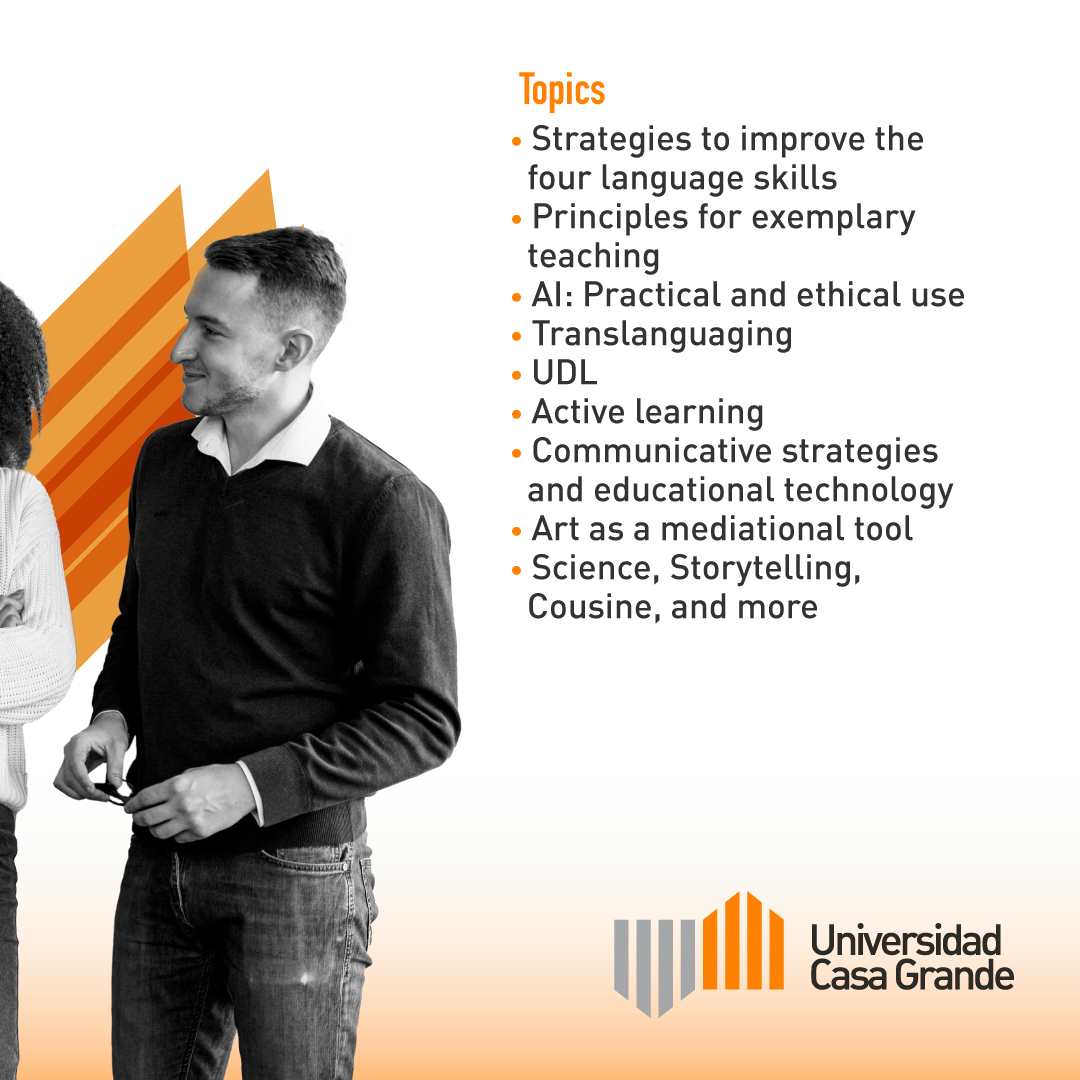
This year’s Training Camp is guided by the theme Connecting Theory to Practice, highlighting the importance of transforming educational research into meaningful classroom experiences that positively impact student learning. Throughout three days of keynote presentations, panel discussions, workshops, concurrent sessions, and networking opportunities, participants will explore current trends in English language teaching, artificial intelligence, multilingual education, literacy development, pronunciation, assessment, active learning, and inclusive pedagogies.
The Training Camp also provides an opportunity for educators from schools, universities, ministries of education, and educational organizations to exchange experiences, build professional networks, and share innovative classroom practices grounded in research.
We extend our sincere gratitude to our keynote speakers, presenters, sponsors, exhibitors, volunteers, and participants for making this event possible. Your commitment to educational excellence continues to strengthen our professional community and inspire meaningful change in English language education.
We hope you enjoy an enriching learning experience and leave with new ideas, valuable professional connections, and practical strategies that you can immediately implement in your classrooms.
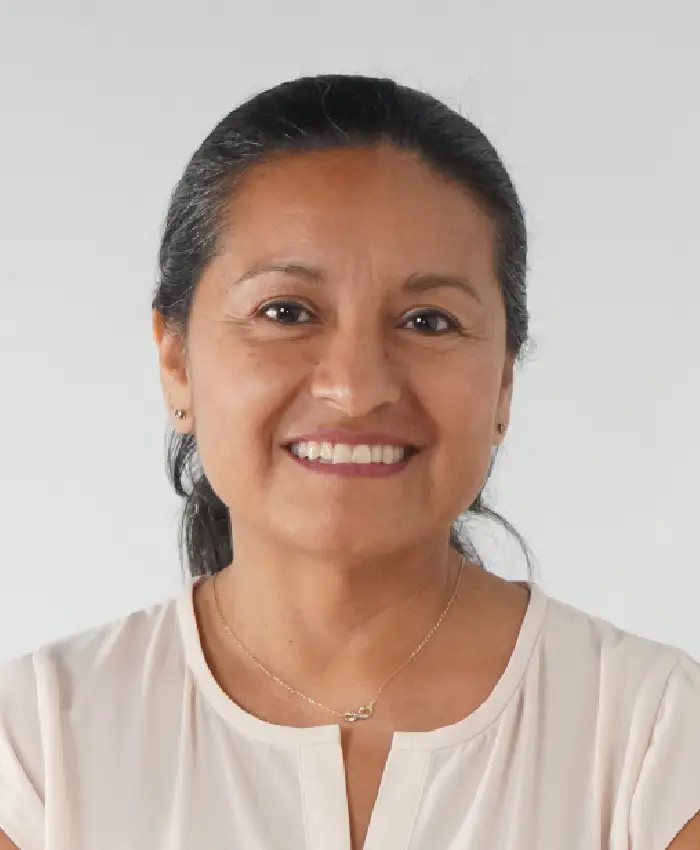
Dr. Rossana Ramírez Ávila
Academic Coordinator
Universidad Casa Grande
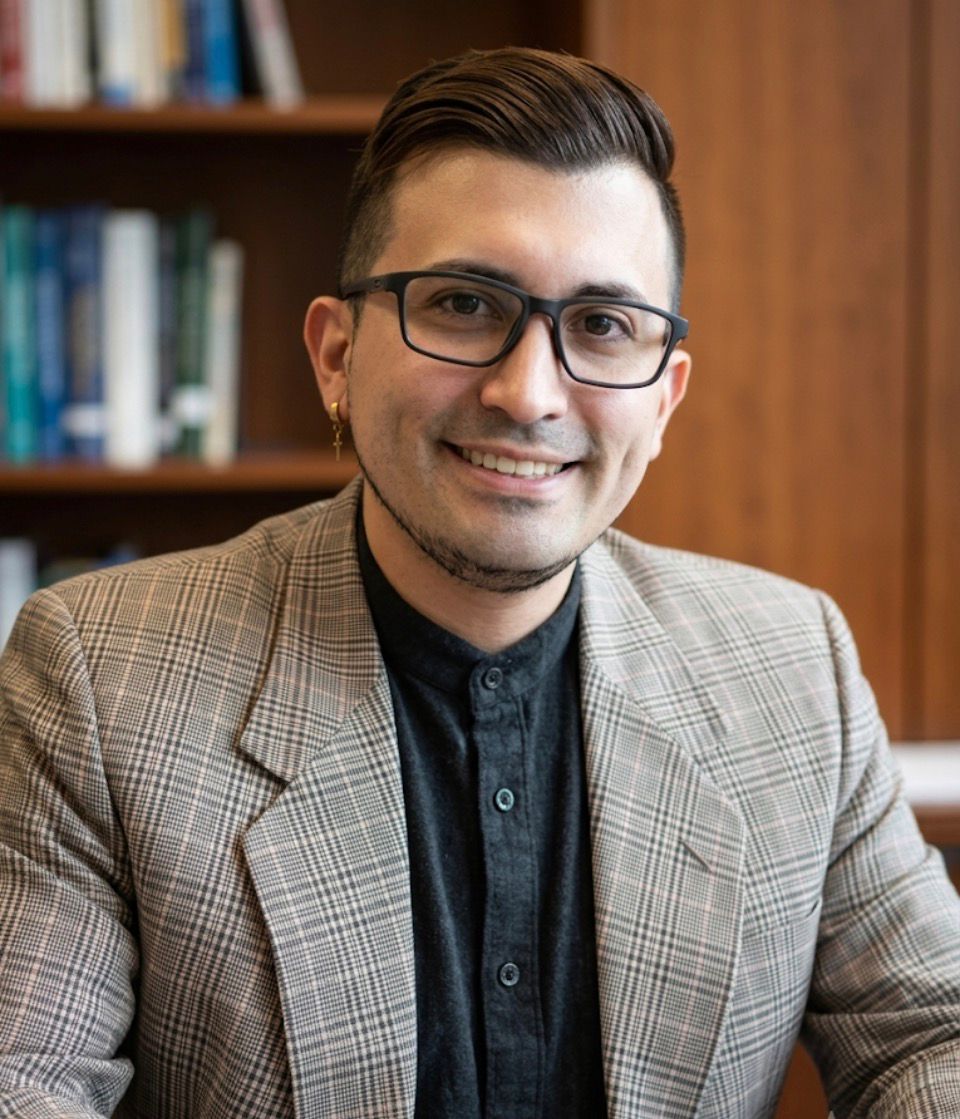
MSc. Carlo Campodónico
Organizing Committee
Universidad Casa Grande
General Information
About the Training Camp
Research Dissemination Event for the Project "Pedagogical Innovations in the English as a Foreign Language Classroom"
International speakers
Keynote speakers and presenters from the Americas, Europe, Africa, the Middle East and Asia.
Three days, two formats
Online keynote sessions on Thursday and Friday, plus on-campus concurrent sessions and an Expo Hall on Saturday.
Theory into practice
Research-based, classroom-ready strategies you can implement immediately in your teaching.
Networking & innovation
Connect with educators from schools, universities, ministries of education and educational organizations.
Intro video
Official event intro
Start with the official video invitation for the UCG Teaching English Training Camp 2026 and share it with your teaching community.

Proceedings
Editorial & Scientific Committee
The Training Camp proceedings will be published as a peer-reviewed academic book with ISBN, following COPE recommendations and a double-blind peer review process, in partnership with JLA Ediciones. The editorial and scientific committee is listed below.
President · Editorial Board
Scientific Editor-in-Chief
Deputy Editor-in-Chief · Graphic Conceptualization & Edition
Distribution
Permanent Editorial Board
Isabel Macías-Galeas, Ph.D (c)
Centro de Estudios para la Calidad Educativa y la Investigación Científica – México
ORCIDPedro José Mujica Paredes, Ph.D.
Universidad de las Artes – Ecuador
Universidad Politécnica de Valencia – España
Accredited Researcher REG-INV-19-03800
Lisbeth Dávila-Santillán, M.Sc.
Universidad Estatal de Milagro (UNEMI)
Escuela Superior Politécnica del Litoral (ESPOL)
ORCIDExternal Scientific Committee
Schedule
Three days of learning
Online keynote sessions on Thursday and Friday, and on-campus concurrent sessions on Saturday. The live timetable is the official, up-to-date version.
Online sessions
14h40
Welcome Remarks
Dr. Bernardita Justiniano
UCG President
14h40
Agenda of the Training Camp
Carlo Campodónico & Dr. Rossana Ramírez
Organizing Committee
15h00
Pronunciation That Sticks: Simple Techniques for Every Lesson
Wouter Redelinghuys
Cambridge University Press & Assessment · South Africa
16h00
Cultivating Critical Thinkers in the Age of Intelligent Technologies
Muhammad Bilal Anwar
United Kingdom
17h00
TESOL 6 Principles for Exemplary Teaching
Dr. Gracie Allely
TESOL International Association · USA
18h00
Panel Discussion — The Ethical Integration of AI in Higher Education
Karen Wigby (UCG), Julie Nieto (ESPOL), Angelike Páez (UEES), Tom Bolton (UEES)
19h00
Translanguaging and the Politics of Hauntological Pedagogy
Dr. Rhodora G. Magan
Cebu Technological University · Philippines
Online sessions
08h00
Empowering Language Teachers with AI: Practical Strategies for Enhancing Students’ English Proficiency
Dr. Hanadi S. Mirza
Lebanon
09h00
One Size Doesn’t Fit All: Rethinking Learning Through Universal Design for Learning
Prof. Martin Sanchez
Macmillan Education · Peru
10h00
The Role of the Teacher in Student-Centered Classrooms: Increasing Active Learning through Task- and Project-Based Learning
Dr. Cinthia Bravo
English Discoveries
11h00
Strengthening Listening and Speaking in the Classroom: Communicative Strategies and Educational Technology with FlowSpeak
Dr. (c). Saide Paola Acevedo
FlowSpeak
16h00
Practical Strategies: Designing Communicative Activities in the AI Era
Dr. José Luis de Paz
ELT Solutions · Mexico
17h00
Art as a Mediational Tool: Cultural Memoirs
Dr. Yeukai Chiroodza-Imeh
Elms College · United States
18h00
Empowering ELLs: Strategies for Success
Dr. Ananda Majumdar
Kennedy University · Canada
19h00
Collaboration, Competition and Projects to Promote Significant, Real-World Learning
Dr. Mike Pryor
Higashi Enterprises · United Kingdom
On-campus sessions · Universidad Casa Grande
09h00
Morning Announcements
Auditorium
Expo Hall · 10h00 – 10h30
Books & Bits · Macmillan · English Discoveries · Oxford International · Unicorn AI · ELT Solutions · English House · Digital Ed Latam · Servibooks
Concurrent sessions
Room 1
10h30
The Use of Comics to Enhance Intrapersonal Communicative Skills
Rotimi Peter Oye & Katherine Salvador
UEES & ESPOL
11h30
Metacognitive Strategies in Moodle: A Hybrid Taxonomy
María del Carmen Boloña
Universidad Casa Grande
12h30
Learning to Feel: Engaging Students through Games
Diana Pareja & Team
Ministry of Education – Ecuador / UCG
13h30
AI as a Collaborative Partner: Reducing Speaking Anxiety in Ecuadorian EFL Classrooms
Luis Carlo Marrero Sanoja
Universidad Casa Grande
Room 2
10h30
Digital Storytelling as a Scaffolding Strategy for EFL
María Augusta Rodríguez
Universidad Tecnológica Indoamérica
11h30
Enhancing EFL Skills through Game-Based Learning
Andrés Rodríguez & Diana Urrutia
Ministry of Education – Ecuador
12h30
Interactive Language Learning through Social Practice
Glenda Gaspar-Dowless & Miriam Tutiven
ESS Union County, North Carolina & COPOL
13h30
Artificial Intelligence as a Peer-to-Peer Assistance Tool for Evaluating Writing Skills in Young Learners
José Francisco Zambrano
Servibooks
Room 3
10h30
Gothic Scaffolding: 19th-Century Horror Literature
Luis Bermúdez Rugel
Universidad de Guayaquil
11h30
Designing Engagement: Communication & Interaction
Sandra Mirella García
Didáctica Learning
12h30
Teacher Identity: A Vygotskian Social Perspective
Jardel Coutinho dos Santos
Universidad Técnica Estatal de Quevedo (UTEQ)
13h30
Multiple Literacies Focused on Visual Literacy
Luis Cerón
National Geographic Learning (NGL)
Room 4
10h30
Self-Assessment Strategies to Improve High School Speaking
Yadira Gisella Mite
Universidad Casa Grande / Ministry of Education
11h30
TED-Talk Exams through a Vygotskian Lens
Alina Martínez Hernández
Universidad Técnica Estatal de Quevedo (UTEQ)
12h30
Ancestral Cuisine & Project-Based Learning: A Sociocultural Approach
María Rosario Álava
Universidad Laica Eloy Alfaro de Manabí (ULEAM)
13h30
Win win or Walk away. From classroom to Community
Aleksandar Tusev
Room 5
10h30
Creating Safe Spaces through Collaboration and Guidance
Ayleen Romero Vilela
Universidad Casa Grande / Universidad Técnica de Manabí
11h30
UDL-Infused 5E Design for Level 3 ASD Learners
Verónica Cantos & Ligia Rodríguez
Universidad Casa Grande & Ministry of Education
12h30
Regulating Online Participation through Visual Feedback
Pamela Victoria Guevara
Private Educational Consultant
13h30
Pictoverso: Scaffolding Science Learning Through Inclusive Digital Fables for Neurodiverse Learners
Delia Evelyn Gaibor Sanchez
Independent Research Professor
Room 6
10h30
Decoding Pronunciation for EFL Learners: IPA-Infused Communicative Tasks
Kennie Clark
KC Education
11h30
Anxiety and Performance: A Comparative Study of Online vs. In-Person ESP Tourism Students
Marlon Arturo Cedeño Álava
Universidad Técnica de Manabí (UTM)
12h30
Science in Their Own Words: Leveraging Writing to Deepen Scientific Reasoning for Multilingual Learners
Jairo Marino & Laura Álvarez (Live Video Conference)
Savvas Learning Company
13h30
A scaffold for integrating real media framework based on STEM approach in Global Education
Marcos Daniel Vinueza Bosada
Ministerio de Educación, Deporte y Cultura, Distrito 09D07
Concurrent sessions run in four blocks (10h30, 11h30, 12h30, 13h30) across Rooms 1–6. The live timetable also lists recorded sessions and any later programme updates.
Presenters & Abstracts
Meet the presenters
Keynote speakers, panelists and presenters from around the world. Expand any card to read the full bio and abstract.
Wouter Redelinghuys
Cambridge University Press & Assessment
South Africa
Pronunciation That Sticks: Simple Techniques for Every Lesson
15h00Online
Muhammad Bilal Anwar
United Kingdom
Cultivating Critical Thinkers in the Age of Intelligent Technologies
16h00Online
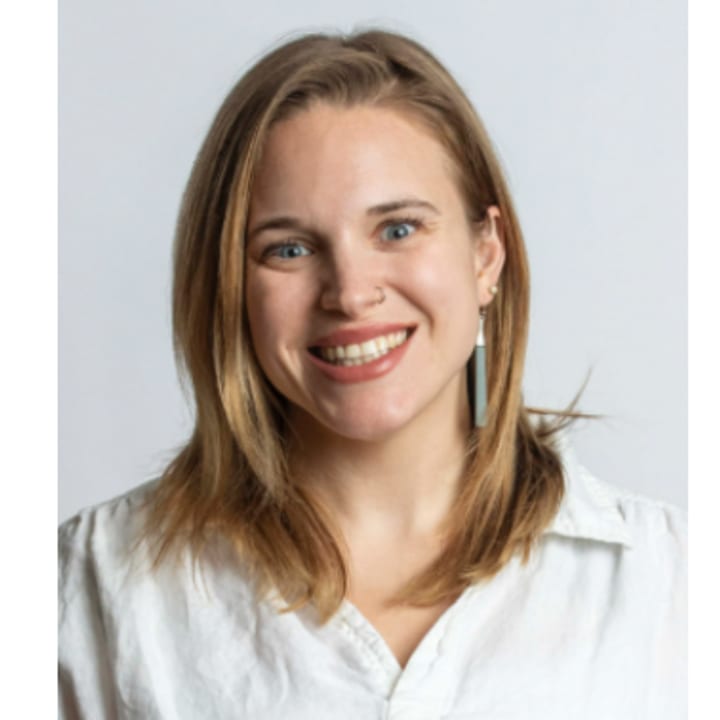
Dr. Gracie Allely
Director of Professional Development, TESOL International Association
USA
TESOL 6 Principles for Exemplary Teaching
17h00Online
Panel Discussion: The Ethical Integration of AI in Higher Education
Karen Wigby Nieto (UCG), Julie Nieto (ESPOL), Angelike Páez (UEES), Tom Bolton (UEES)
The Ethical Integration of Artificial Intelligence in Higher Education
18h00Online
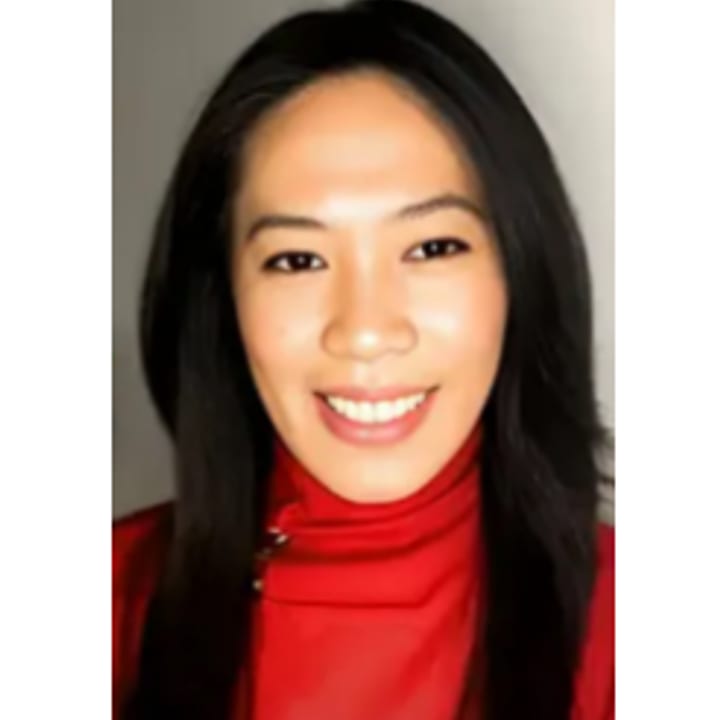
Dr. Rhodora G. Magan
Cebu Technological University
Philippines
Translanguaging and the Politics of Hauntological Pedagogy
19h00Online
Dr. Hanadi S. Mirza
Lebanon
Empowering Language Teachers with AI: Practical Strategies for Enhancing Students’ English Proficiency
08h00Online
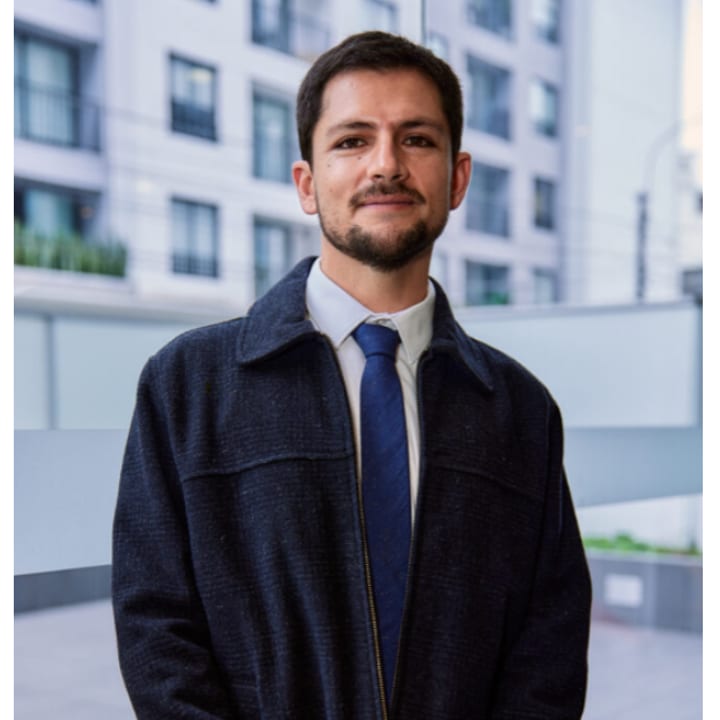
Prof. Martin Sanchez
Macmillan Education
Peru
One Size Doesn’t Fit All: Rethinking Learning Through Universal Design for Learning
09h00Online
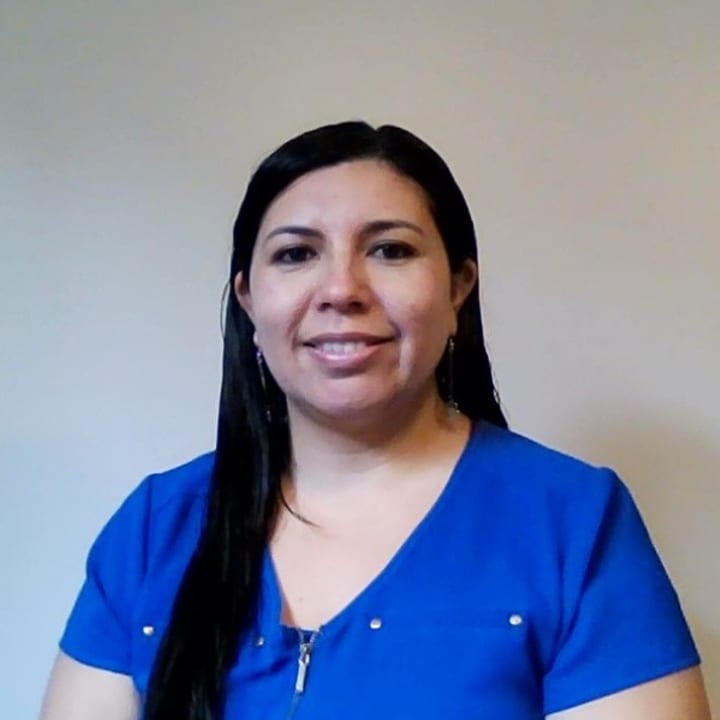
Dr. Cinthia Bravo
English Discoveries
The Role of the Teacher in Student-Centered Classrooms: Increasing Active Learning through Task- and Project-Based Learning
10h00Online
Dr. (c). Saide Paola Acevedo
FlowSpeak
Strengthening Listening and Speaking in the Classroom: Communicative Strategies and Educational Technology with FlowSpeak
11h00Online
Dr. José Luis de Paz
ELT Solutions
Mexico
Practical Strategies: Designing Communicative Activities in the AI Era
16h00Online
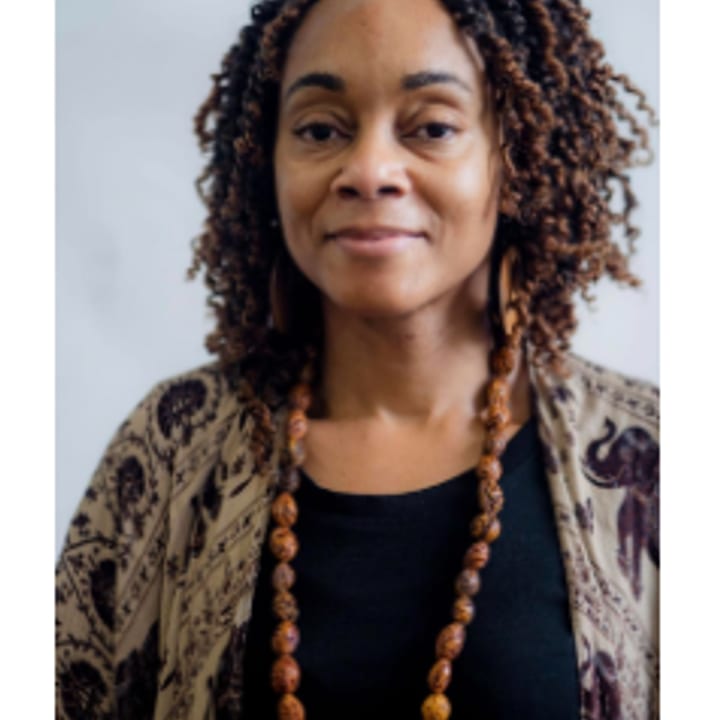
Dr. Yeukai Chiroodza-Imeh
Elms College
United States
Art as a Mediational Tool: Cultural Memoirs
17h00Online
Dr. Ananda Majumdar
Kennedy University
Canada
Empowering ELLs: Strategies for Success
18h00Online
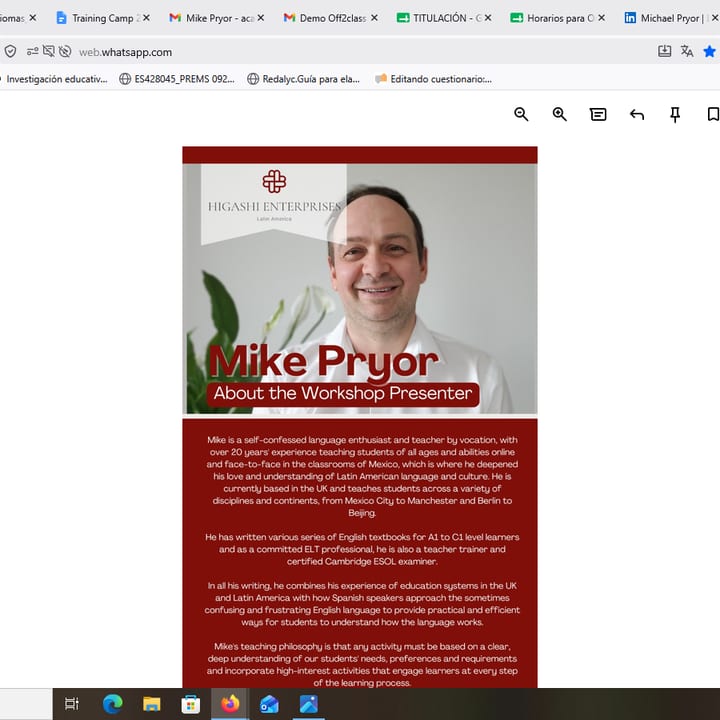
Dr. Mike Pryor
Higashi Enterprises
United Kingdom
Collaboration, Competition and Projects to Promote Significant Real-World Learning
19h00Online
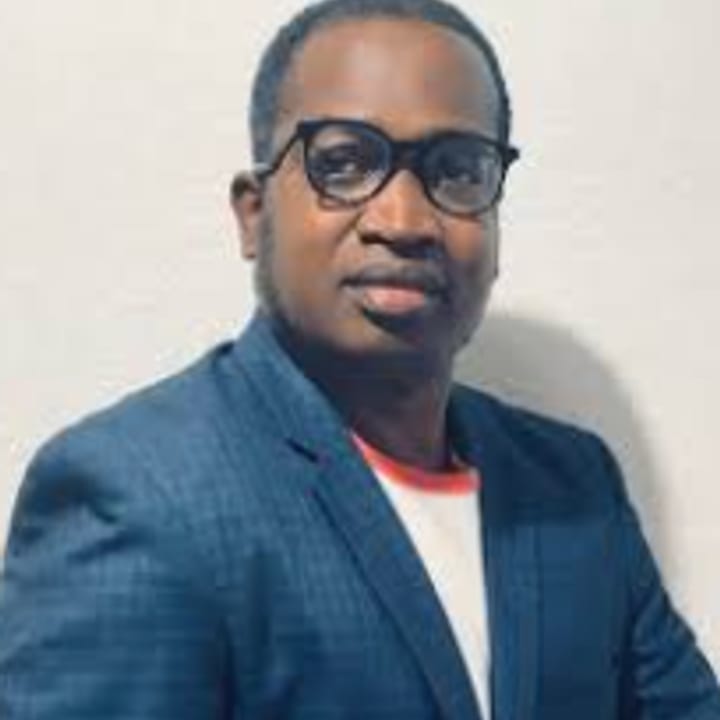
Rotimi Peter Oye & Katherine Salvador
UEES & ESPOL
The Use of Comics to Enhance Intrapersonal Communicative Skills
10h30Room 1On campus
María del Carmen Boloña
Universidad Casa Grande
Metacognitive Strategies in Moodle: A Hybrid Taxonomy
11h30Room 1On campus
Diana Pareja & Team
Ministry of Education – Ecuador / Universidad Casa Grande
Learning to Feel: Engaging Students through Games
12h30Room 1On campus
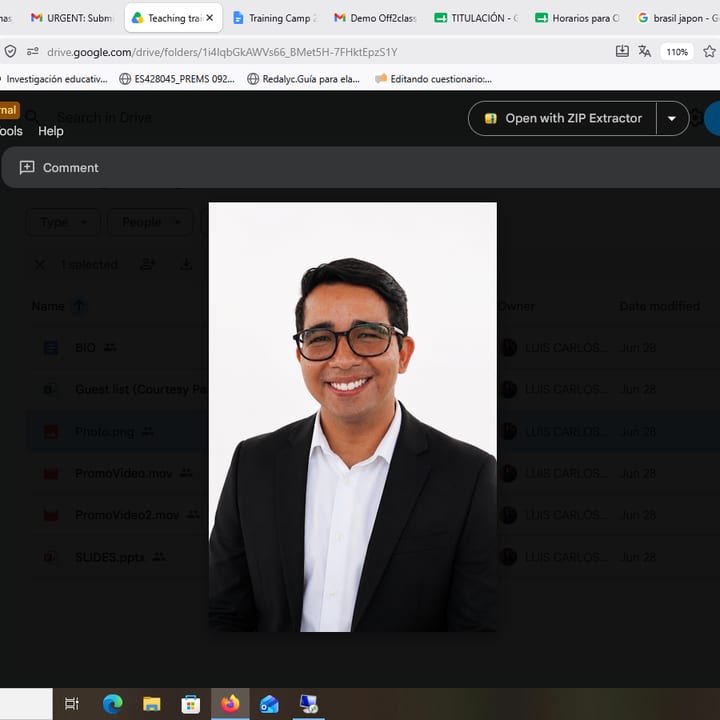
Luis Carlo Marrero Sanoja
Universidad Casa Grande
AI as a Collaborative Partner: Reducing Speaking Anxiety in Ecuadorian EFL Classrooms
13h30Room 1On campus
María Augusta Rodríguez
Universidad Tecnológica Indoamérica
Digital Storytelling as a Scaffolding Strategy for EFL
10h30Room 2On campus
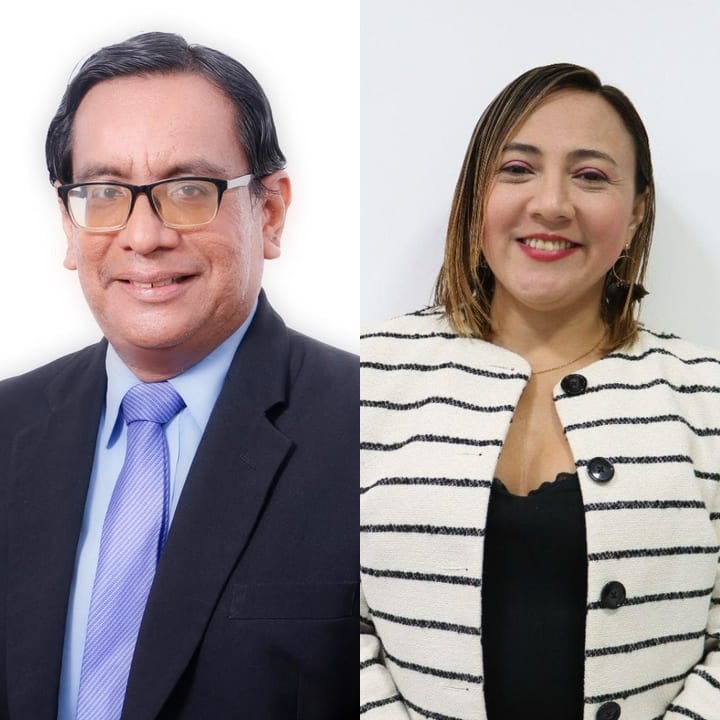
Andrés Rodríguez & Diana Urrutia
Ministry of Education – Ecuador
Enhancing EFL Skills through Game-Based Learning
11h30Room 2On campus
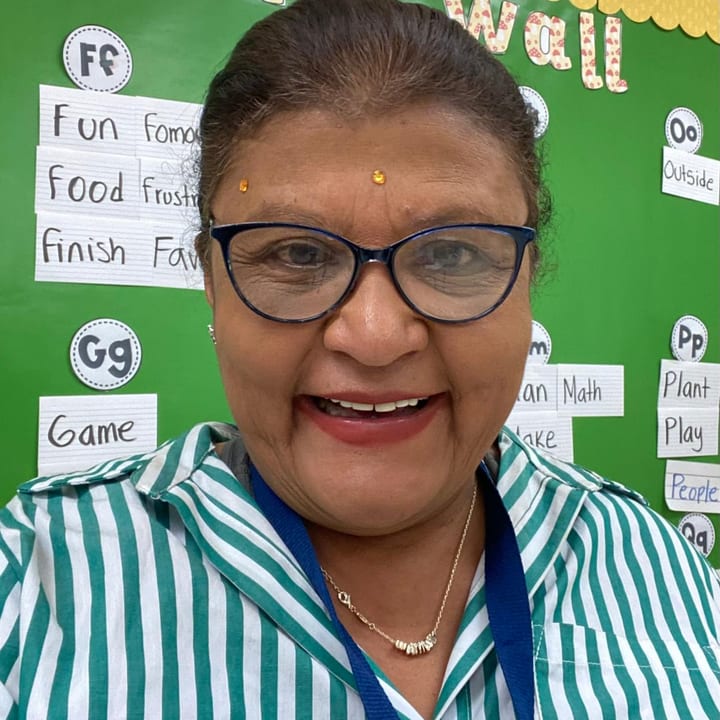
Glenda Gaspar-Dowless & Miriam Tutiven
ESS Union County, North Carolina & COPOL
Interactive Language Learning through Social Practice
12h30Room 2On campus
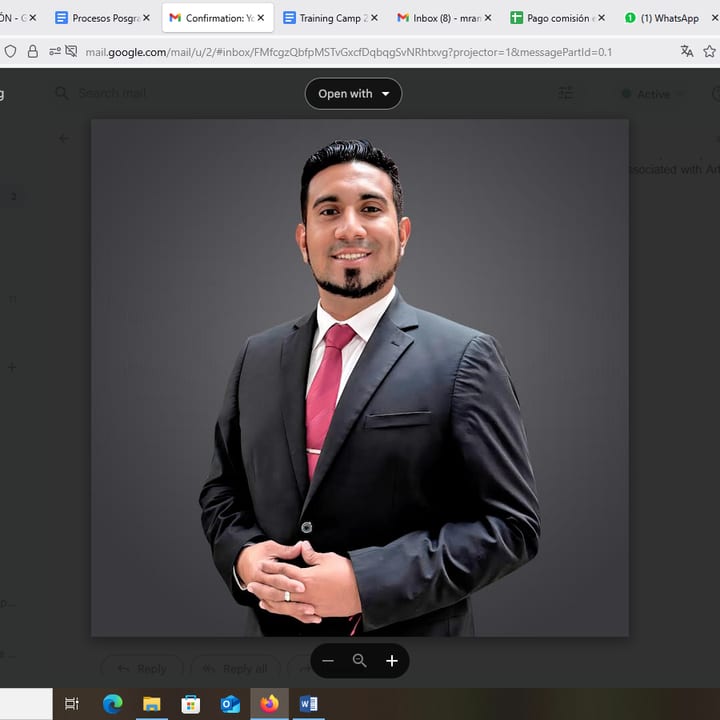
José Francisco Zambrano
Servibooks
Artificial Intelligence as a Peer-to-Peer Assistance Tool for Evaluating Writing Skills in Young Learners
13h30Room 2On campus
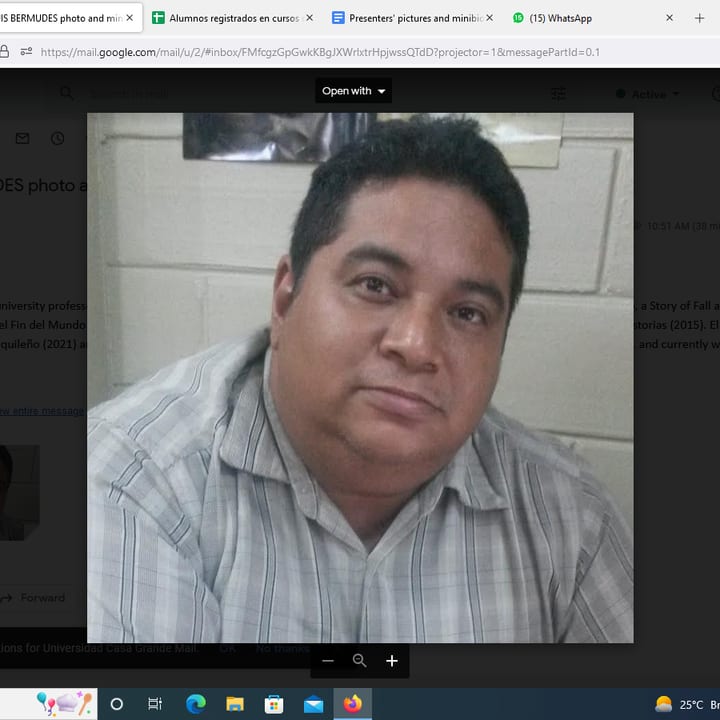
Luis Bermúdez Rugel
Universidad de Guayaquil
Gothic Scaffolding: 19th-Century Horror Literature
10h30Room 3On campus
Sandra Mirella García
Didáctica Learning
Designing Engagement: Communication & Interaction
11h30Room 3On campus
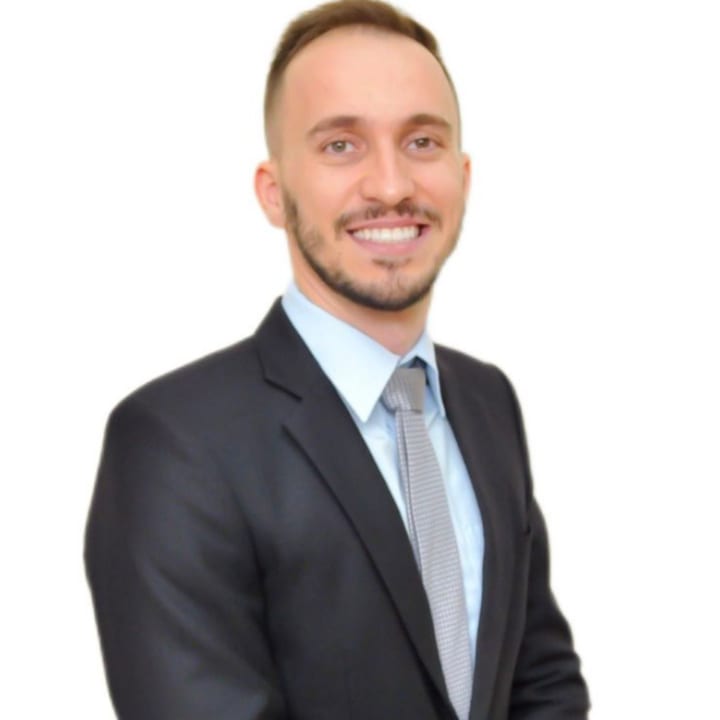
Jardel Coutinho dos Santos
Universidad Técnica Estatal de Quevedo (UTEQ)
Teacher Identity: A Vygotskian Social Perspective
12h30Room 3On campus
Luis Cerón
National Geographic Learning (NGL)
Multiple Literacies Focused on Visual Literacy
13h30Room 3On campus
Yadira Gisella Mite
Universidad Casa Grande / Ministry of Education
Self-Assessment Strategies to Improve High School Speaking
10h30Room 4On campus
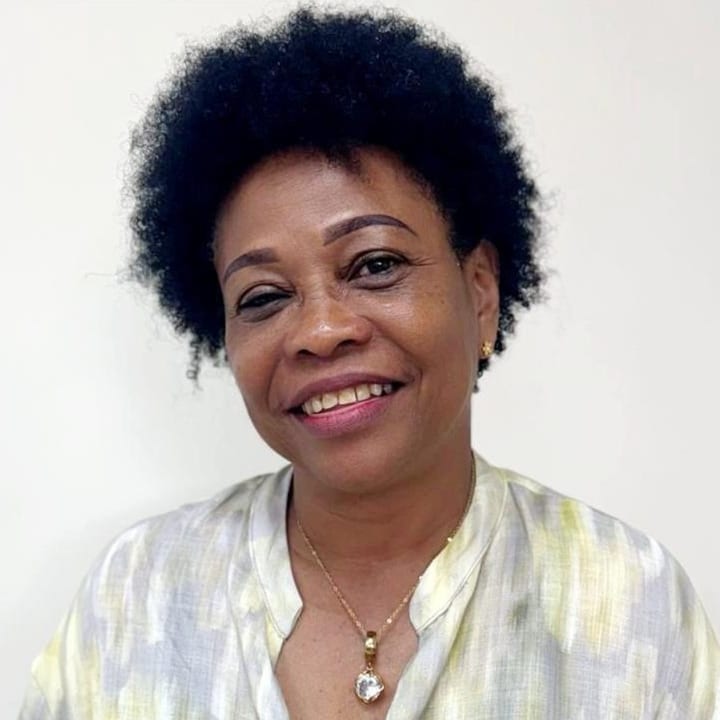
Alina Martínez Hernández
Universidad Técnica Estatal de Quevedo (UTEQ)
TED-Talk Exams through a Vygotskian Lens
11h30Room 4On campus
María Rosario Álava
Universidad Laica Eloy Alfaro de Manabí (ULEAM)
Ancestral Cuisine & Project-Based Learning: A Sociocultural Approach
12h30Room 4On campus
Aleksandar Tusev
Win win or Walk away. From classroom to Community
13h30Room 4On campus
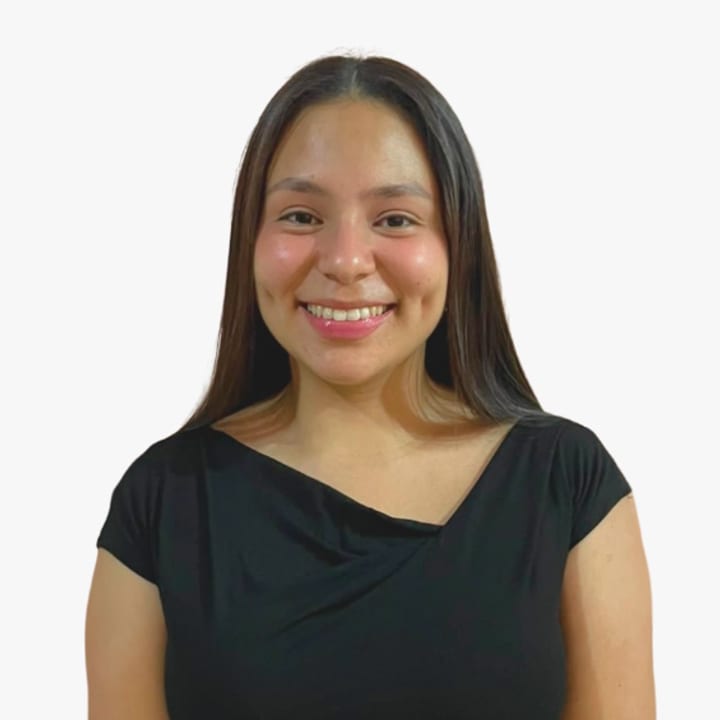
Ayleen Romero Vilela
Universidad Casa Grande / Universidad Técnica de Manabí
Creating Safe Spaces through Collaboration and Guidance
10h30Room 5On campus
Verónica Cantos & Ligia Rodríguez
Universidad Casa Grande & Ministry of Education
UDL-Infused 5E Design for Level 3 ASD Learners
11h30Room 5On campus
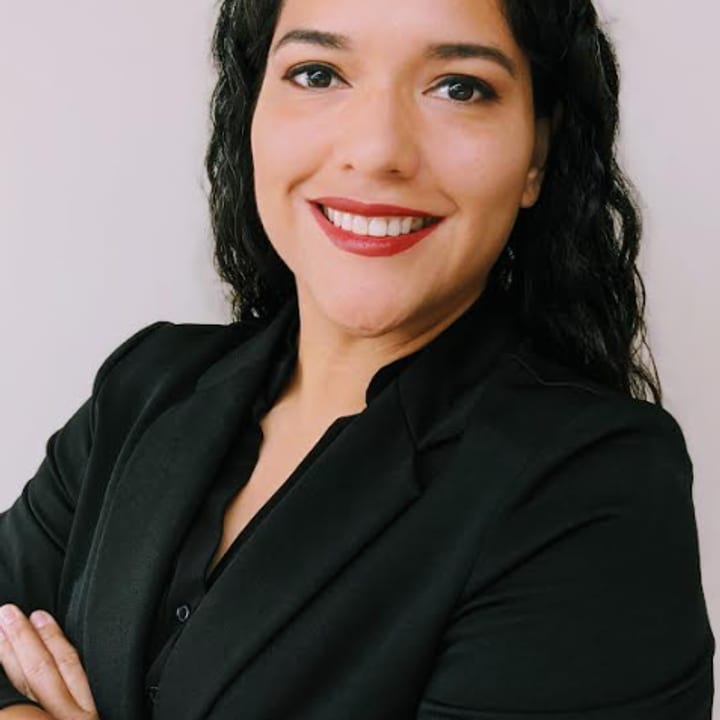
Pamela Victoria Guevara
Private Educational Consultant
Regulating Online Participation through Visual Feedback
12h30Room 5On campus
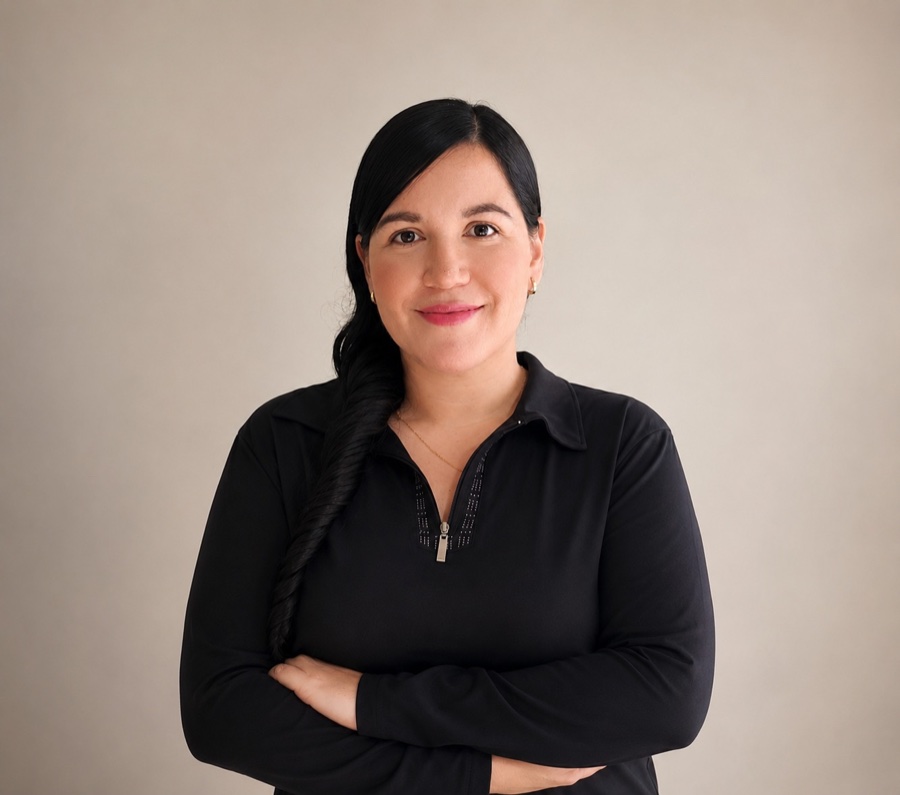
Delia Evelyn Gaibor Sanchez
Independent Research Professor
Pictoverso: Scaffolding Science Learning Through Inclusive Digital Fables for Neurodiverse Learners
13h30Room 5On campus
Kennie Clark
KC Education
Decoding Pronunciation for EFL Learners: IPA-Infused Communicative Tasks
10h30Room 6On campus
Marlon Arturo Cedeño Álava
Universidad Técnica de Manabí (UTM)
Anxiety and Performance: A Comparative Study of Online vs. In-Person ESP Tourism Students
11h30Room 6On campus
Jairo Marino & Laura Álvarez
Savvas Learning Company
Science in Their Own Words: Leveraging Writing to Deepen Scientific Reasoning for Multilingual Learners
12h30Room 6 · Live Video ConferenceOn campus

Marcos Daniel Vinueza Bosada
Ministerio de Educación, Deporte y Cultura, Distrito 09D07
A scaffold for integrating real media framework based on STEM approach in Global Education
13h30Room 6On campus
Memories
Moments from the Training Camp
A look back at the connections, learning and energy that define our Training Camp community.
ELT Awards
Celebrating great teaching
The ELT Awards recognize and celebrate the outstanding work of English language teachers who make a meaningful difference in their classrooms and communities. Nominate a colleague whose dedication and innovation deserve to be honored.
Nominate a colleague
Recognize an outstanding English language teacher by submitting a nomination through the official form.
Nomination form2025 Awardees
Meet the educators recognized at the previous edition of the ELT Awards.
View 2025 AwardeesRegistration & Payment
How to register
Follow these four steps to secure your spot at the UCG Teaching English Training Camp 2026.
- 1
Register
Complete the official registration form for the UCG Teaching English Training Camp 2026.
- 2
Choose a payment method
Pay online, by deposit or bank transfer, or in person on campus — see the options below.
- 3
Send your payment confirmation
Email a copy or screenshot of your deposit or transfer to colecturia@casagrande.edu.ec, cc languagetraining@casagrande.edu.ec. Include your full name, email address, ID, and reference: TEFL.
- 4
Receive your receipt
Colecturía will process your payment and issue your official receipt (factura).
Payment options
Pay online
Request the payment link at colecturia@casagrande.edu.ec, complete your credit card information, and call 0994136890 or 0995322541.
Deposit or bank transfer
Universidad Casa Grande — RUC 0992541539001. Cuenta Corriente #0005138650, Banco Bolivariano.
Pay on campus
Credit or debit card payments are accepted on campus at Universidad Casa Grande.
Bank transfer details
- Beneficiary
- Universidad Casa Grande
- RUC
- 0992541539001
- Bank
- Banco Bolivariano
- Account
- Cuenta Corriente #0005138650
- Reference
- TEFL
Confirm your payment
Send a copy or screenshot of your deposit or transfer to colecturia@casagrande.edu.ec, cc languagetraining@casagrande.edu.ec. Include your full name, email, ID and reference TEFL to receive your receipt (factura).
Sponsors
Our partners & exhibitors
The current Expo Hall exhibitor list is shown below and will automatically look better as official logos are added.










Questions
Frequently asked questions
Everything you need to know before the Training Camp. Still have questions? We’re happy to help.